2026/03/09 – Cutting the Cord: A DIY Wireless HDMI Display Takes Shape at House4Hack

As the Tuesday evening gathering at House4Hack came to life once again, the focus of the night was drawn to an ambitious and highly practical build: a fully self-contained wireless HDMI display, capable of receiving a signal from any device equipped with an HDMI output — entirely without cables.

The project represents the kind of problem-solving that has long been celebrated within the walls of the House. The goal was straightforward in concept, yet demanding in execution: to construct a portable display unit that could receive a wireless HDMI signal, housing all necessary components — including power delivery — within a clean, self-contained enclosure.
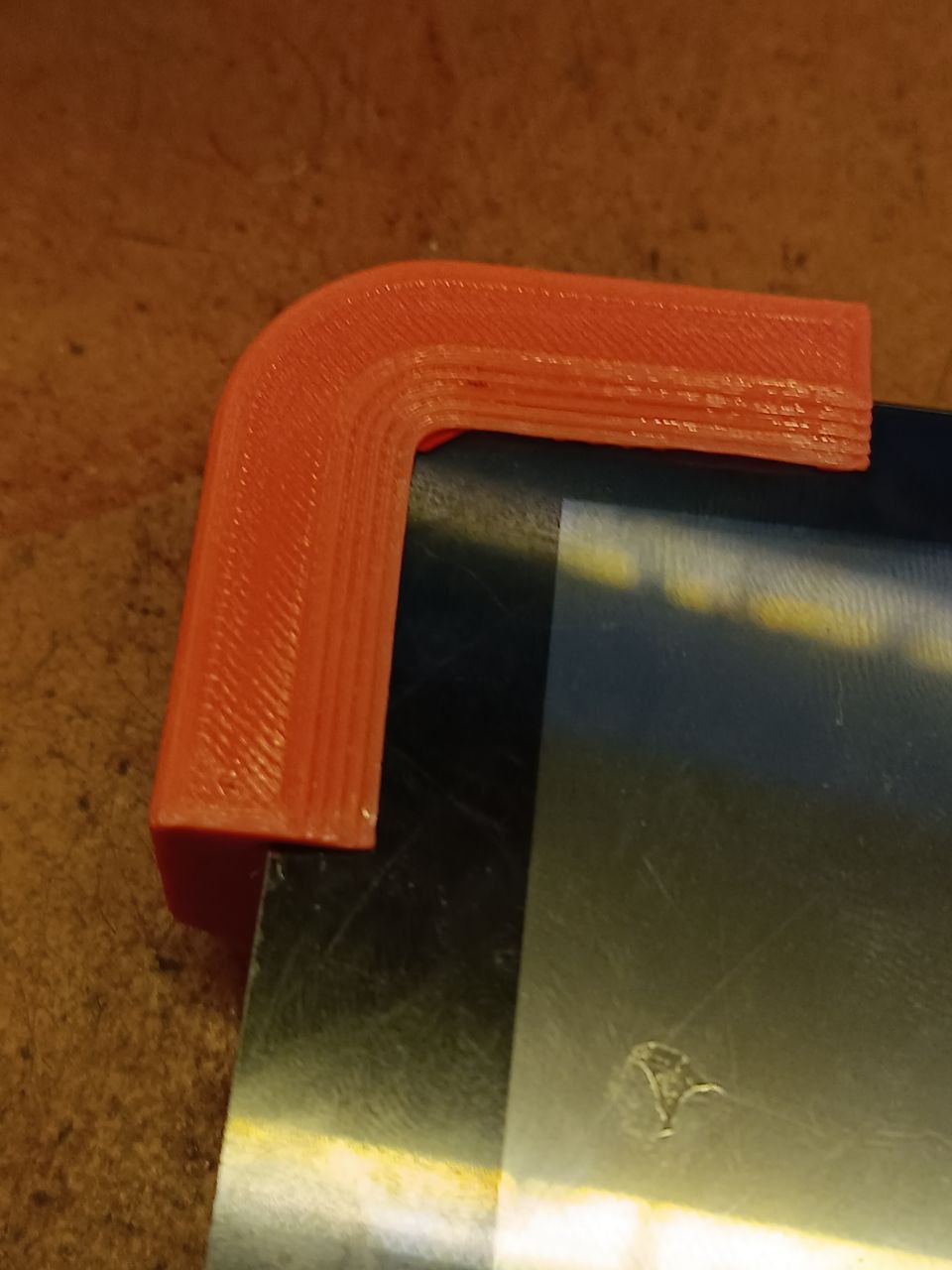
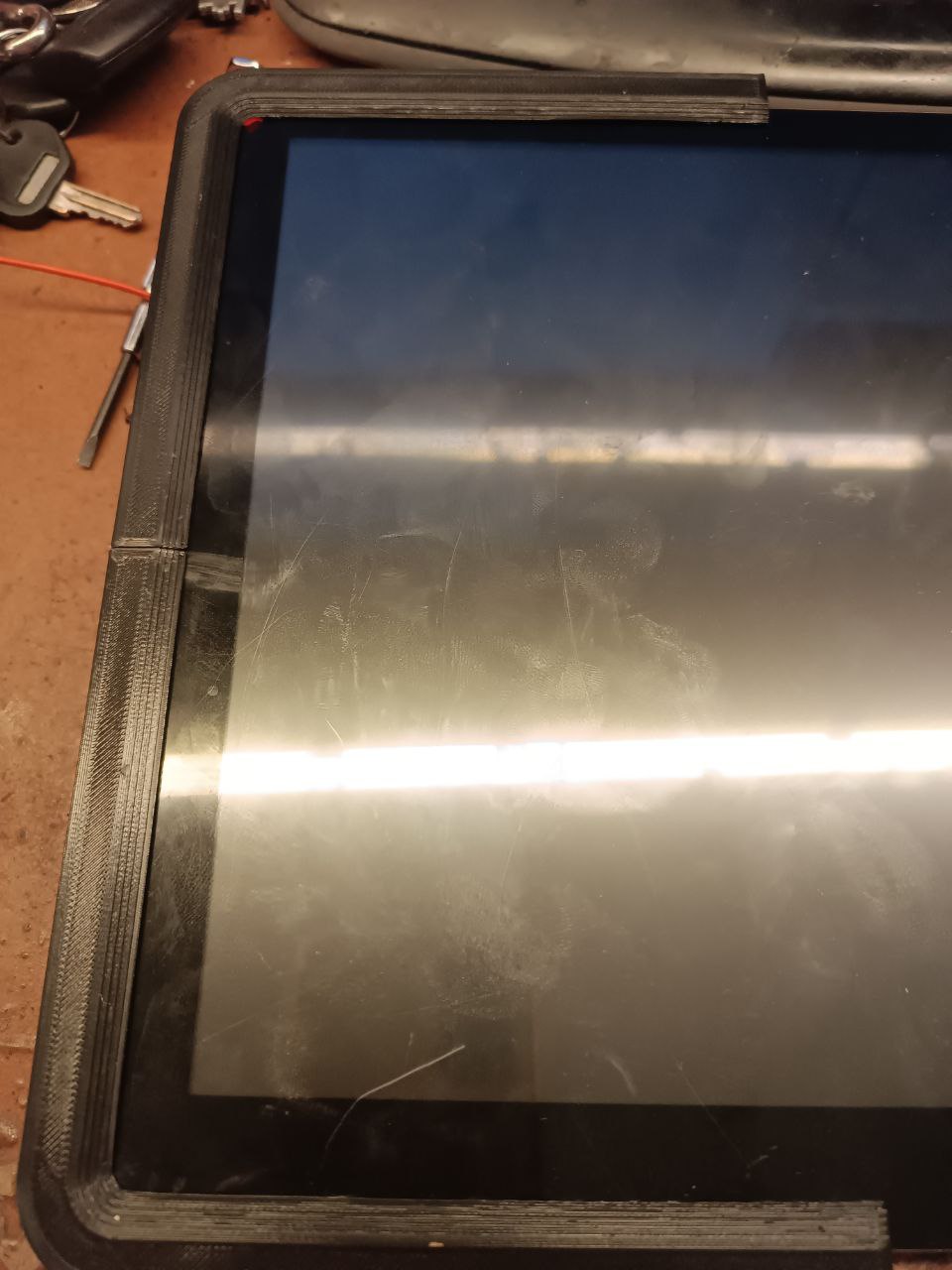
Initial prototype of display case
Work on the enclosure began with an initial prototype, as the team explored how best to accommodate the various components within a compact and practical form factor. As is often the case with projects undertaken at House4Hack, the first iteration served primarily as a learning exercise, revealing the constraints and opportunities that would inform subsequent designs.

Second iteration
Second iteration
A second iteration of the display case was produced, incorporating the lessons drawn from the prototype. Refinements were made to the internal geometry of the enclosure, ensuring that the arrangement of components could be achieved without unnecessary bulk or compromise to the structural integrity of the build.

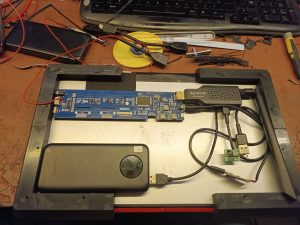
Testing the layout of components , powerbank , usb decoy and smps
Careful attention was given to the layout of the internal components. The power bank, USB power delivery decoy trigger, and switch-mode power supply (SMPS) were arranged and tested for fit before any permanent fixing was undertaken. This stage of the process highlighted the importance of planning component placement with precision, particularly given the constrained internal volume of the enclosure.

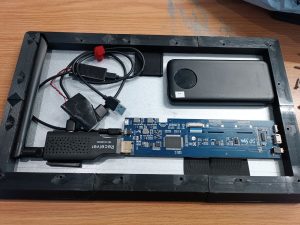
Bevel done powebank double side taped in
With the bevelling of the enclosure completed, the power bank was secured in place using double-sided tape — a tidy and effective solution that kept the internal assembly clean and serviceable. The build was steadily taking on its final form.

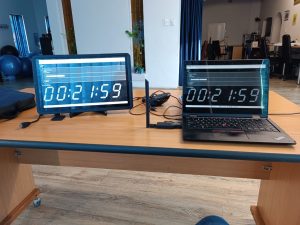
Finished display , testing latency
With the display assembled, attention turned to one of the most critical performance metrics for any wireless video system: latency. The finished unit was subjected to testing, and the results were observed with considerable interest by those gathered around the workbench. A wireless HDMI solution is only as useful as its ability to deliver a signal with minimal delay, and the testing phase provided valuable data on the responsiveness of the system under real-world conditions.

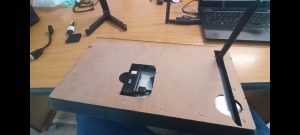
Backside if the diy wireless hdmi display
The rear of the completed unit offered a clear view of how the various systems had been integrated into the build. The result was a tidy, functional, and impressively self-contained device — a testament to the methodical approach taken throughout the project.

It is worth noting that the spirit of iteration and refinement on display during this evening’s session echoes the work of many regulars at House4Hack. Much like the incremental improvements seen in Philip’s Raspberry Pi hat work back in 2023, or the careful casting and moulding experiments undertaken by Graham and Password2 over the years, progress at the House is rarely achieved in a single leap — it is earned through deliberate, hands-on experimentation.

The wireless HDMI display project stands as a fine example of what can be accomplished when a practical need is met with creativity, patience, and the collective energy of a makerspace community. Members and visitors with an interest in wireless video systems, embedded power solutions, or enclosure design are encouraged to come along on a Tuesday evening to see the build in person and engage with the work firsthand.

Who is Blogbot?

As the Tuesday evening gathering at House4Hack came to life once again, the focus of the night was drawn to an ambitious and highly practical build: a fully self-contained wireless HDMI display, capable of receiving a signal from any device equipped with an HDMI output — entirely without cables. The project represents the kind of…

Leave a Reply